

natural materials
Reducing the impact of our clothing requires careful selection of eco-friendly materials. At agnès b., our collections have always used natural fibres for the vast majority of our products. To go even further, we choose certified materials that meet the various challenges of raw materials. We also insist upon and monitor good practices in the factories we work with.
85% of our ready-to-wear pieces are natural (cotton, linen, wool, cashmere, leather) and 80% are made from a single material, making them easier to recycle at the end of their life. We do not use exotic leather, fur or rabbit angora. agnès b. prohibits mulesing and any other form of mutilation from supply chains.
Our aim is to step up our efforts to steadily increase the proportion of certified materials and products in our collections by 2030, across all items where production volumes allow.
agnès b. sometimes produces too small quantities. We know we cannot change the world alone : we need stronger laws, scientific advances, clearer data and real collective change.
But we will not wait for everything to be perfect before taking action. So we continue to move forward on our own scale, with our ideas and, as always, with our hearts.
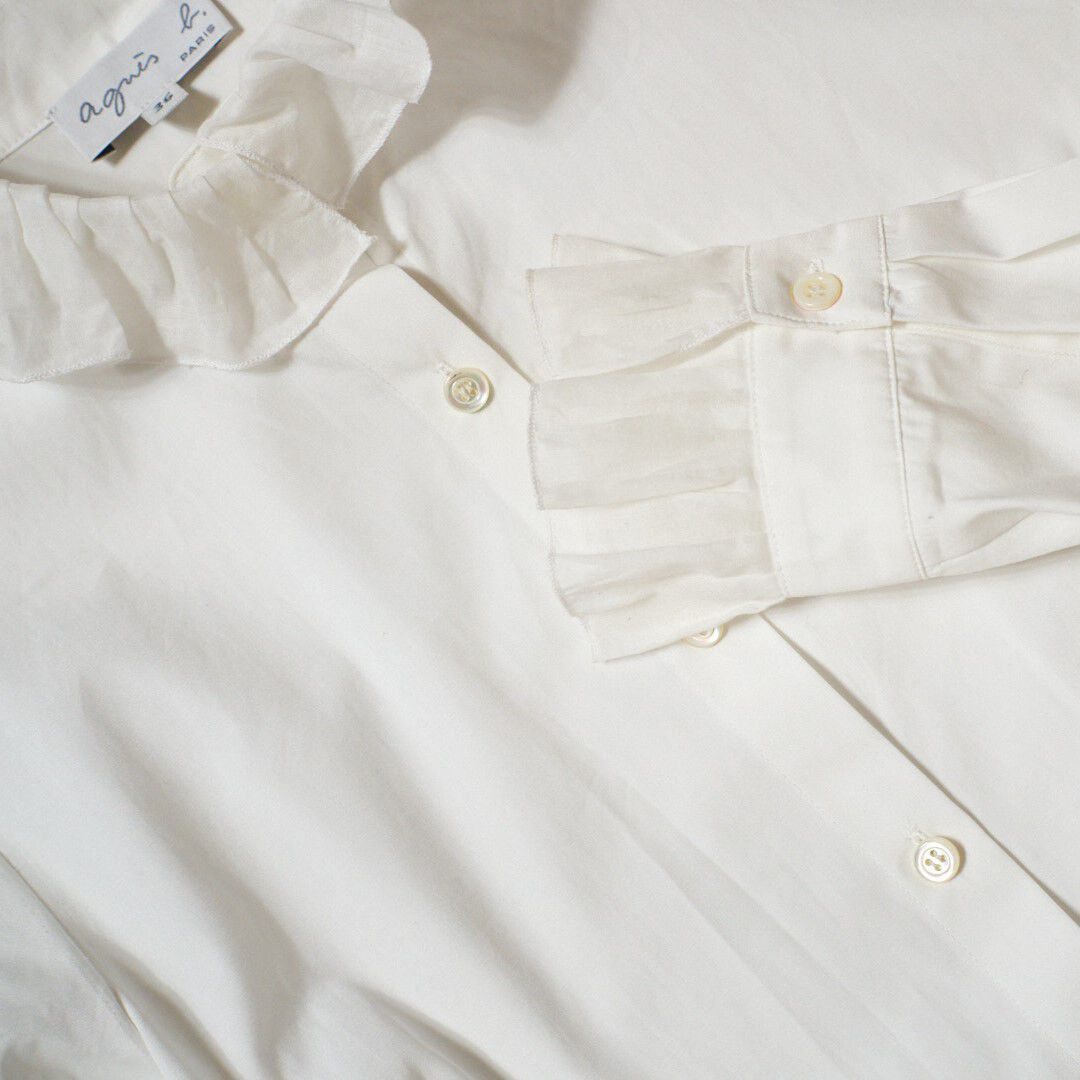
An ancient plant material, cotton is prized for its softness and versatility. However, its intensive cultivation requires large amounts of water and pesticides, which has an impact on the environment.
At agnès b., 70% of our products were made primarily from cotton in 2024. We favour organic cotton, grown without chemicals and with sustainable water management. Since 2021, we have been GOTS* certified, a demanding label that guarantees the absence of GMOs, the traceability of our products and manufacturing that respects people and nature. The dyes used comply with this standard and contain no toxic heavy metals or harmful substances.
In 2024, 30% of our cotton items were GOTS* certified, and we aim to reach 75% by 2030.
* Certificate issued by Ecocert Greenlife 251251



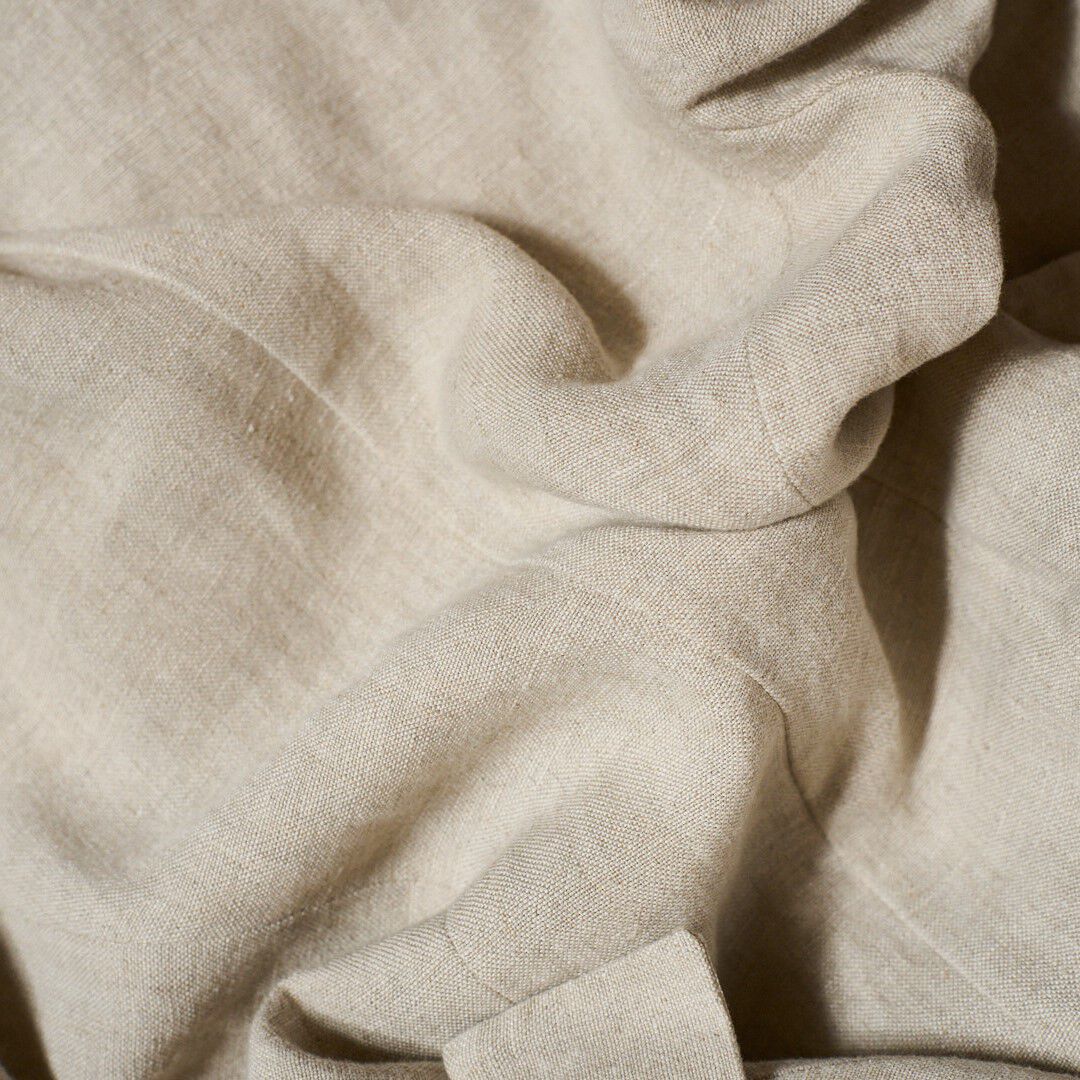
Grown mainly in Europe between Caen and Amsterdam, flax is a natural, resistant fibre that is ideal for all seasons. Its cultivation requires little water and minimal use of fertilisers and pesticides, making it a naturally responsible material.
Agnès loves linen. In the summer, more than 10% of our clothing is made with linen. We support short supply chains, from cultivation to manufacturing.
We are gradually increasing the proportion of Masters of Linen-certified items, covering the entire process from field to weaving/knitting in Europe.
We will do everything we can to increase this proportion from 50% in 2024 to 75% in 2030.
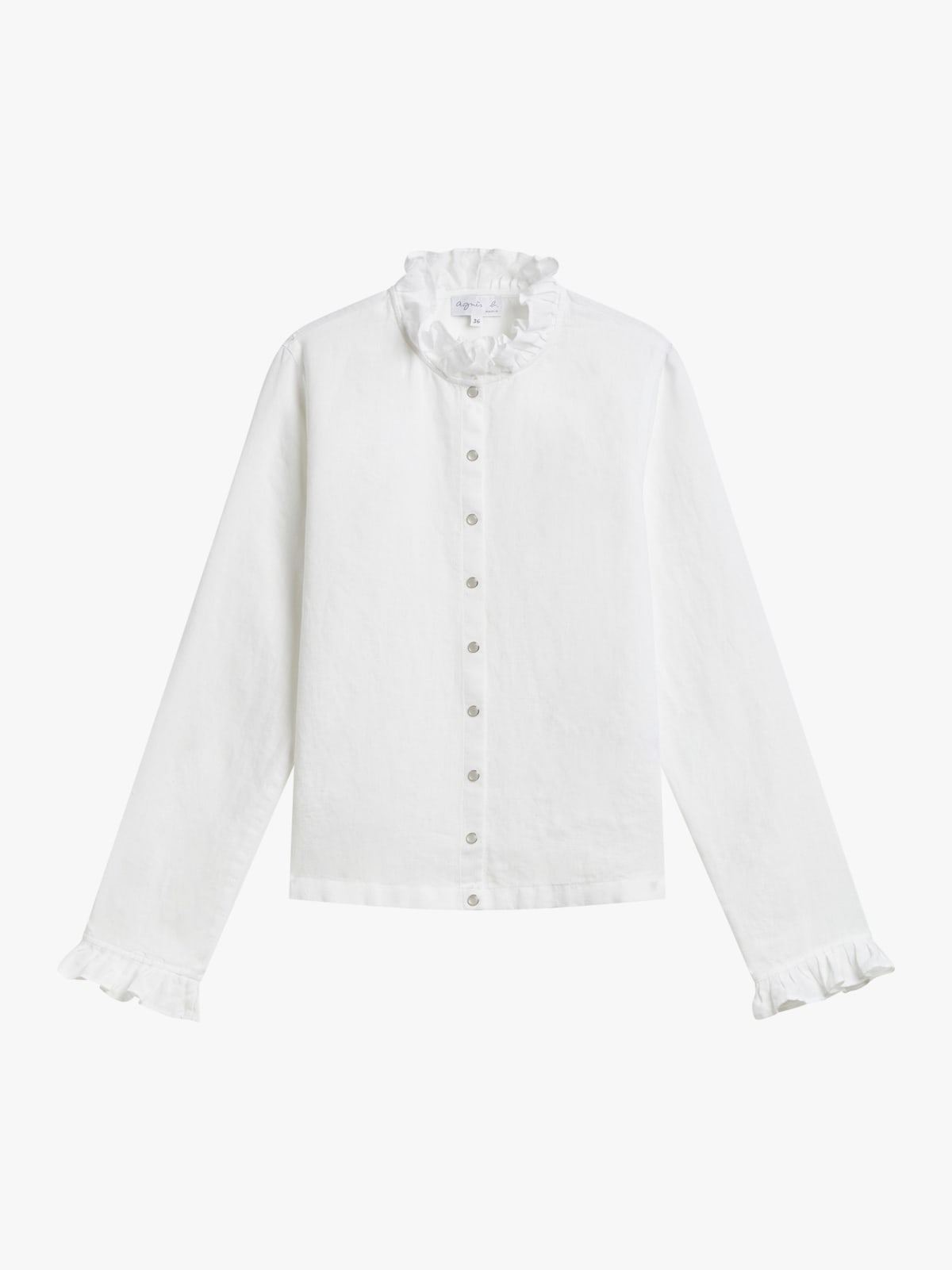
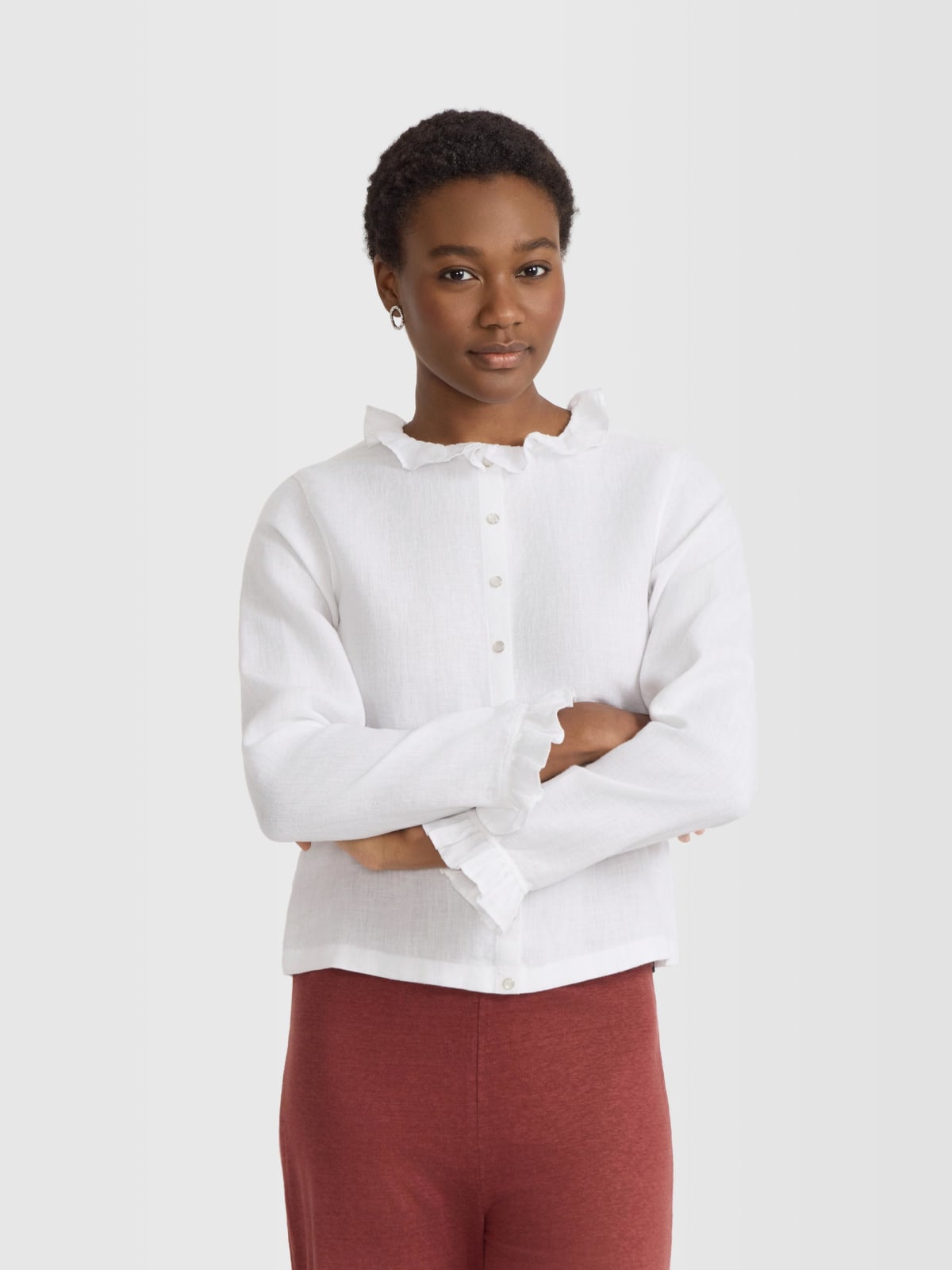


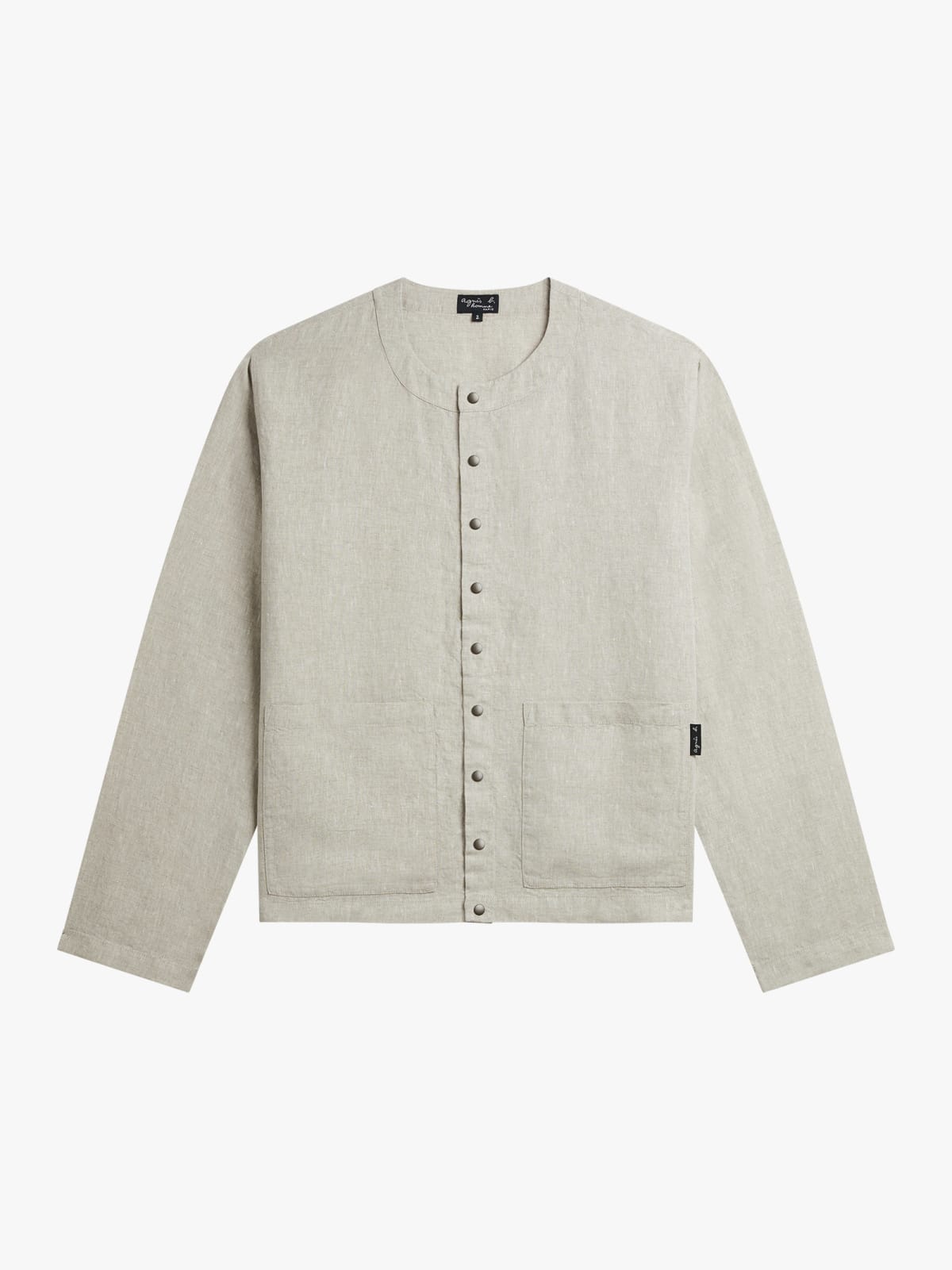


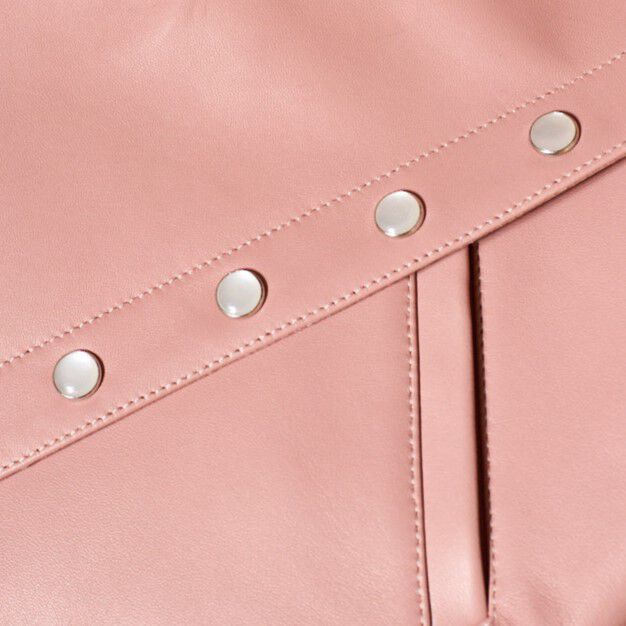
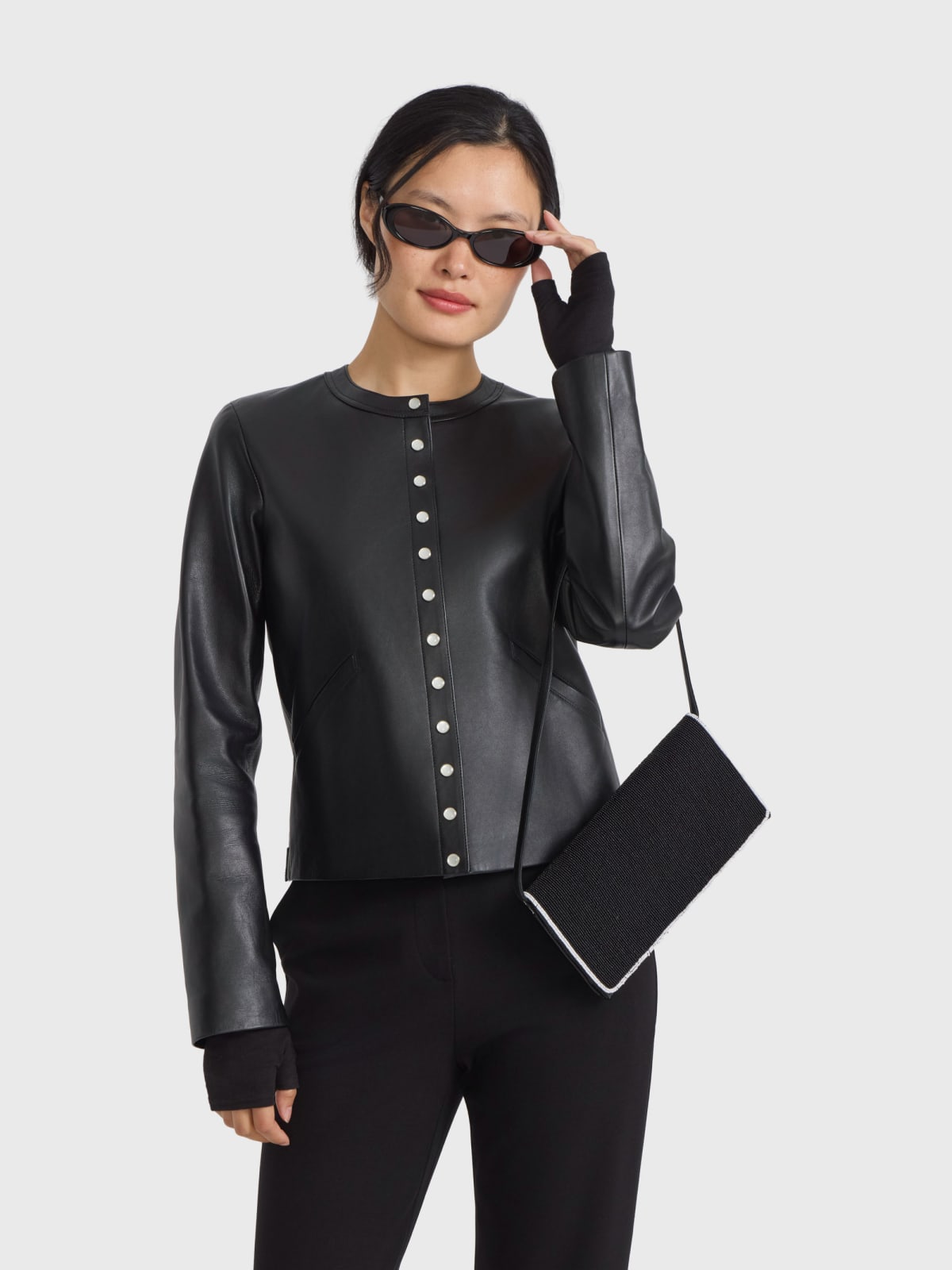
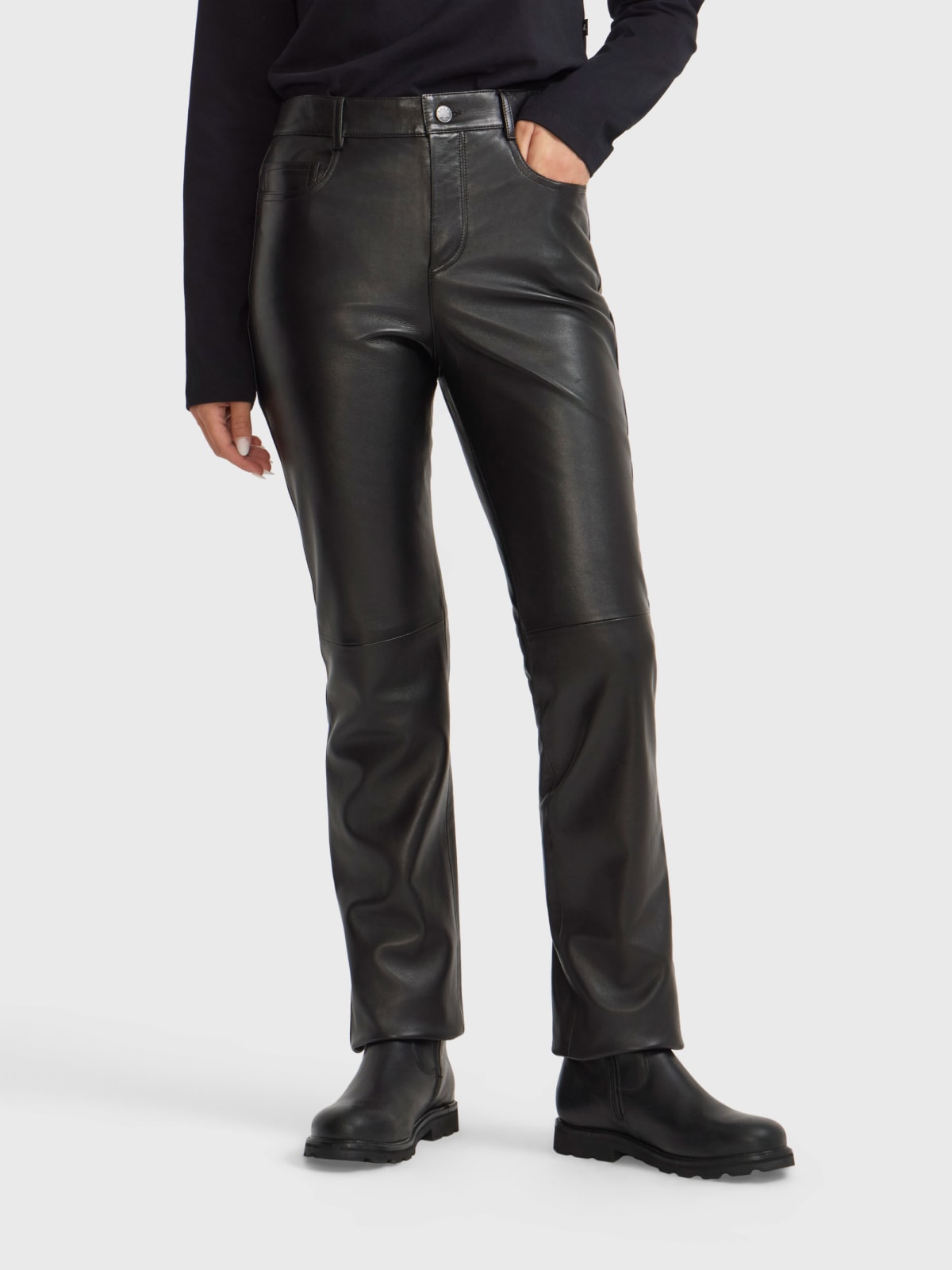
The product of ancient craftsmanship, leather has stood the test of time and is prized for its strength, grain and the longevity of the items it can be used to create. Its production raises environmental and ethical issues: intensive farming, water consumption, greenhouse gas emissions and chemical treatments.
At agnès b., we ban exotic leathers and for accessories we offer vegetable-tanned leathers, made from plant extracts, which are less harmful than chrome tanning. Each ready-to-wear item is carefully crafted in workshops renowned for their expertise, in partnership with LWG-certified European tanneries that are transparent and committed to sustainability.
LWG works to promote environmentally friendly leather production practices. This includes reducing the environmental impact, particularly in terms of water consumption, waste management and CO2 emissions.
Currently, 75% of our ready-to-wear items are LWG certified. We are aiming for 100% by 2030.




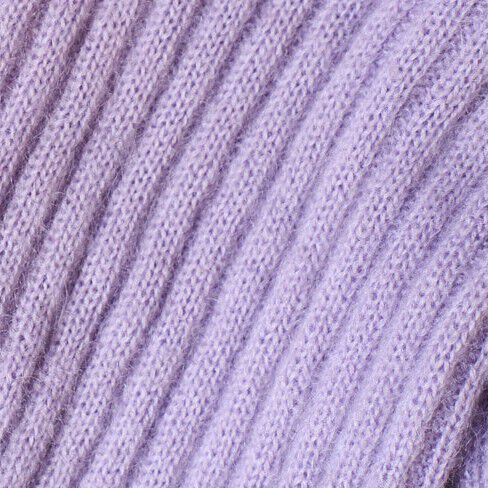
A natural fibre, wool is valued for its warmth, softness and comfort throughout the seasons. However, its production can affect ecosystems and raise ethical questions related to animal welfare.
At agnès b., we work with committed suppliers, and 25% of our products is certified under the Responsible Wool Standard (RWS) in 2024, ensuring traceability and compliance with the Five Freedoms for animals.
For merino wool, agnès b. is committed to using only wool from verified sources that do not practice mulesing, a common mutilation practice on sheep in Australia.
We aim to have 75% of our wool yarns certified to animal welfare standards (RWS or equivalent) by 2030.


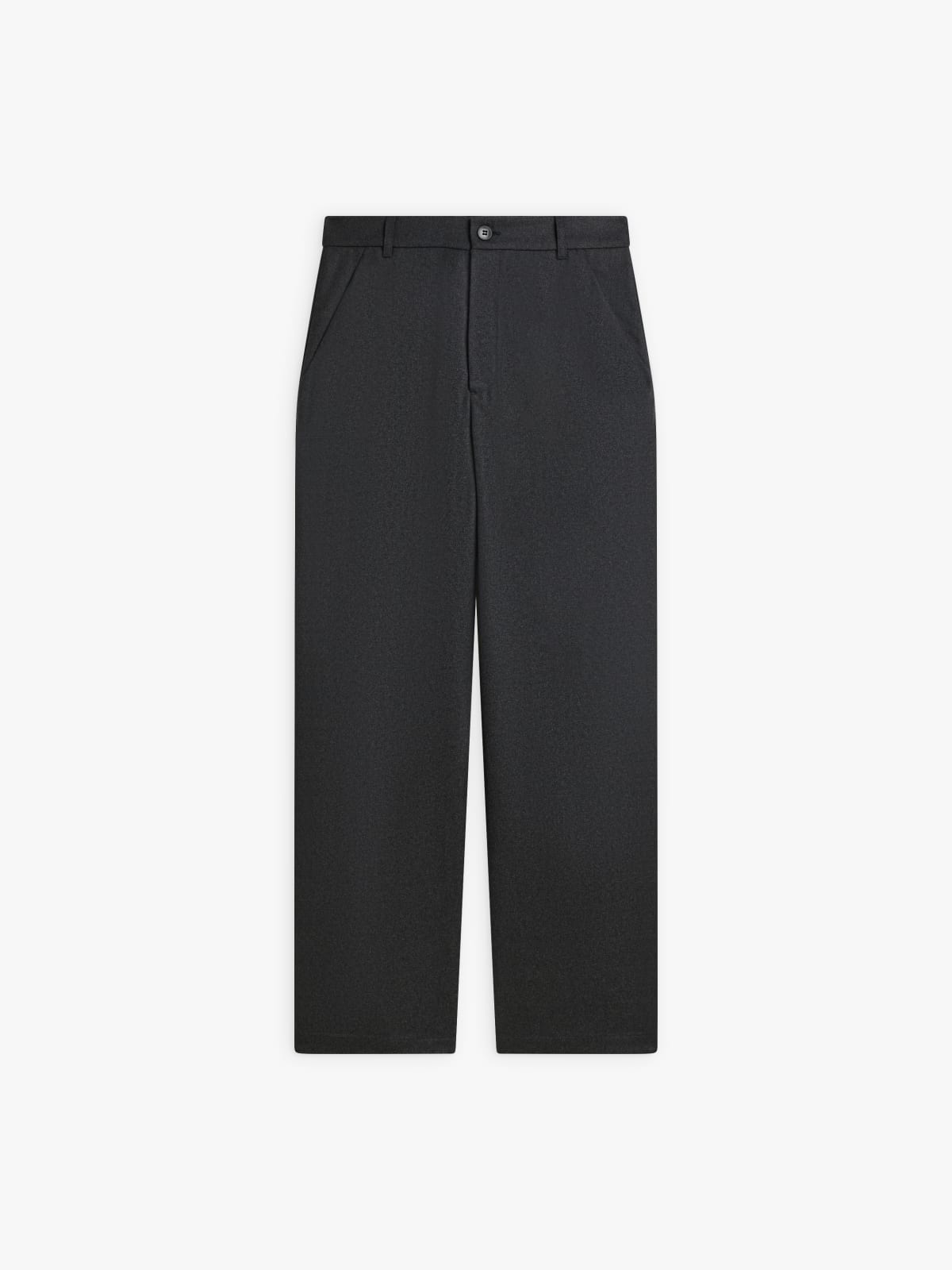
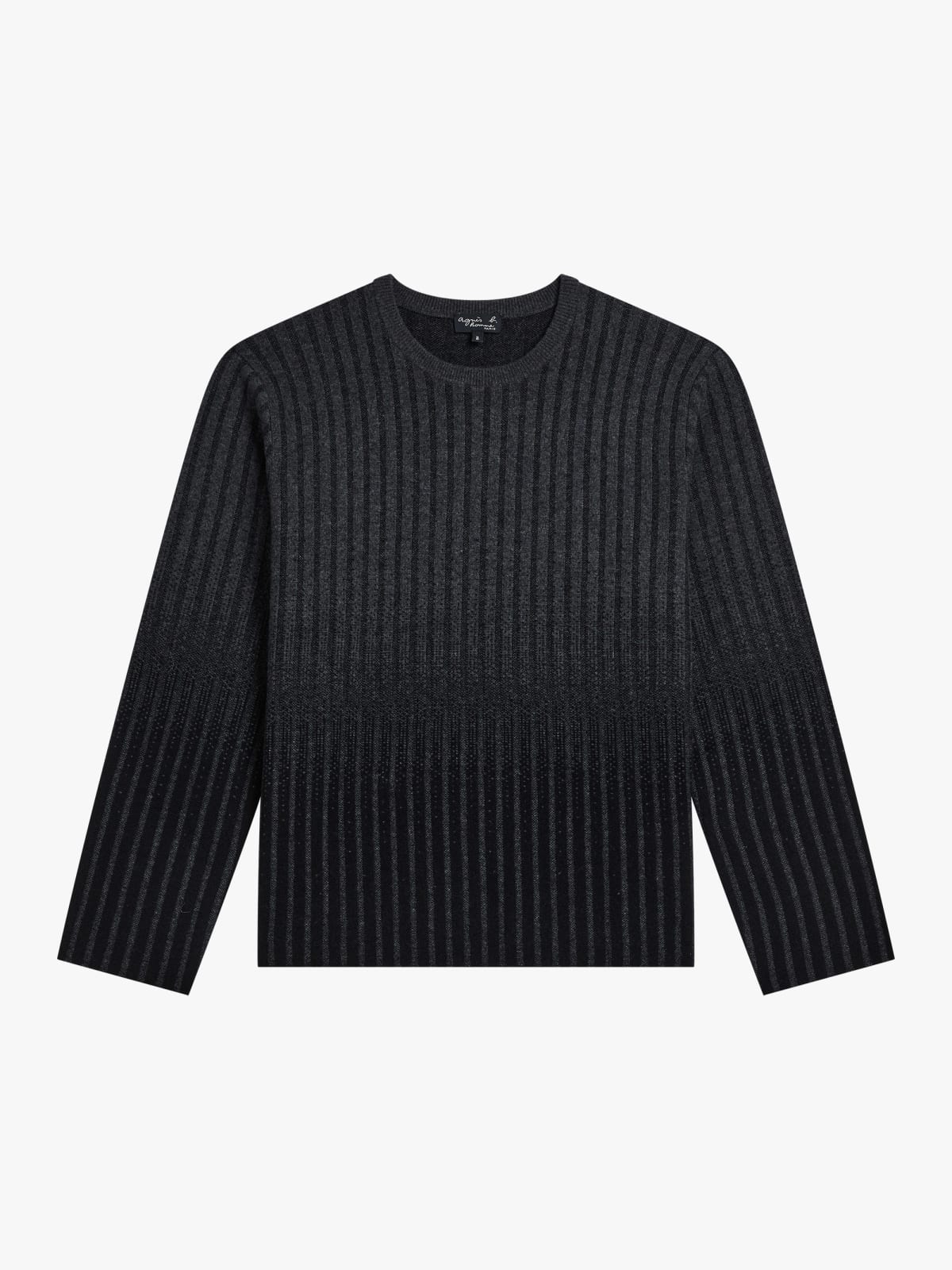

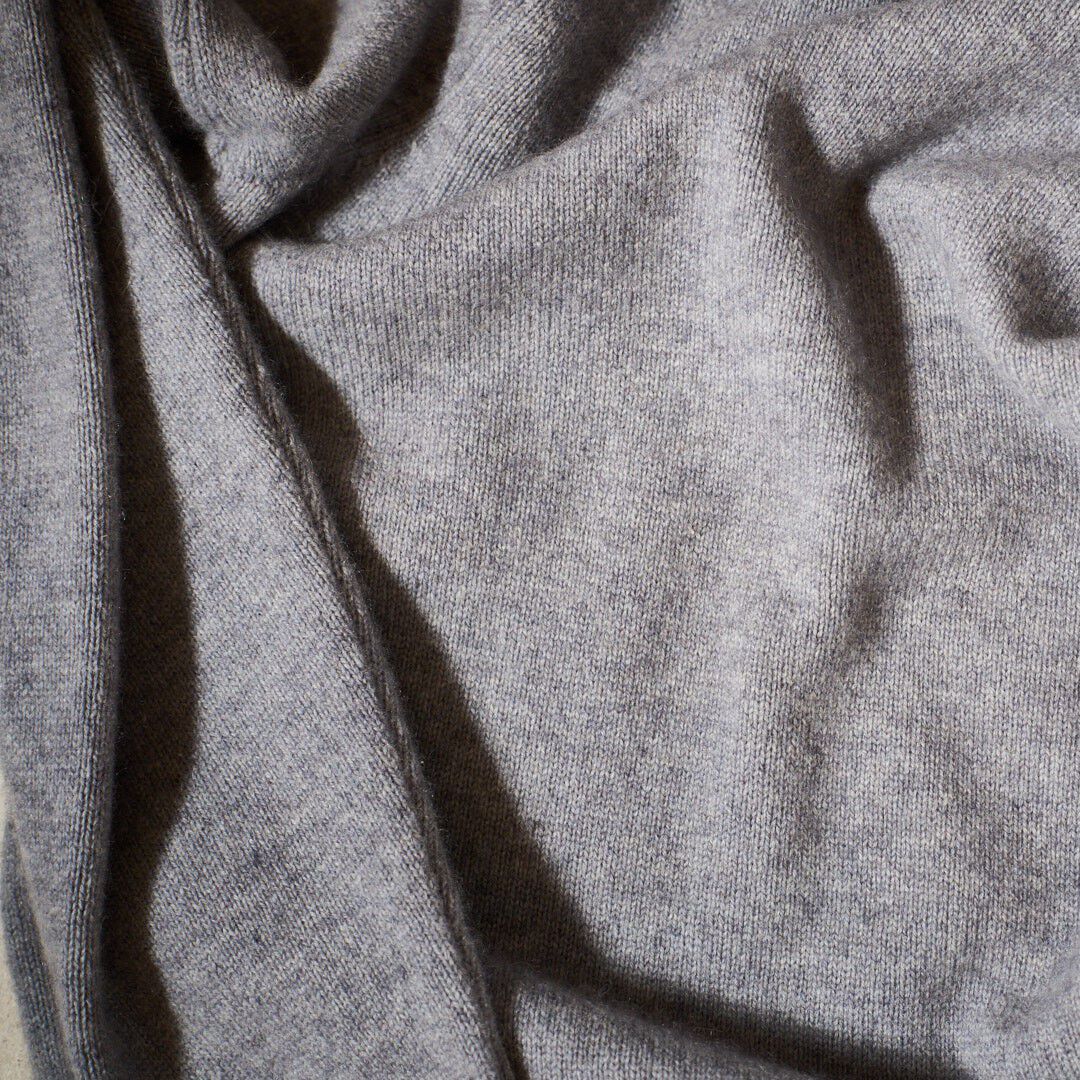
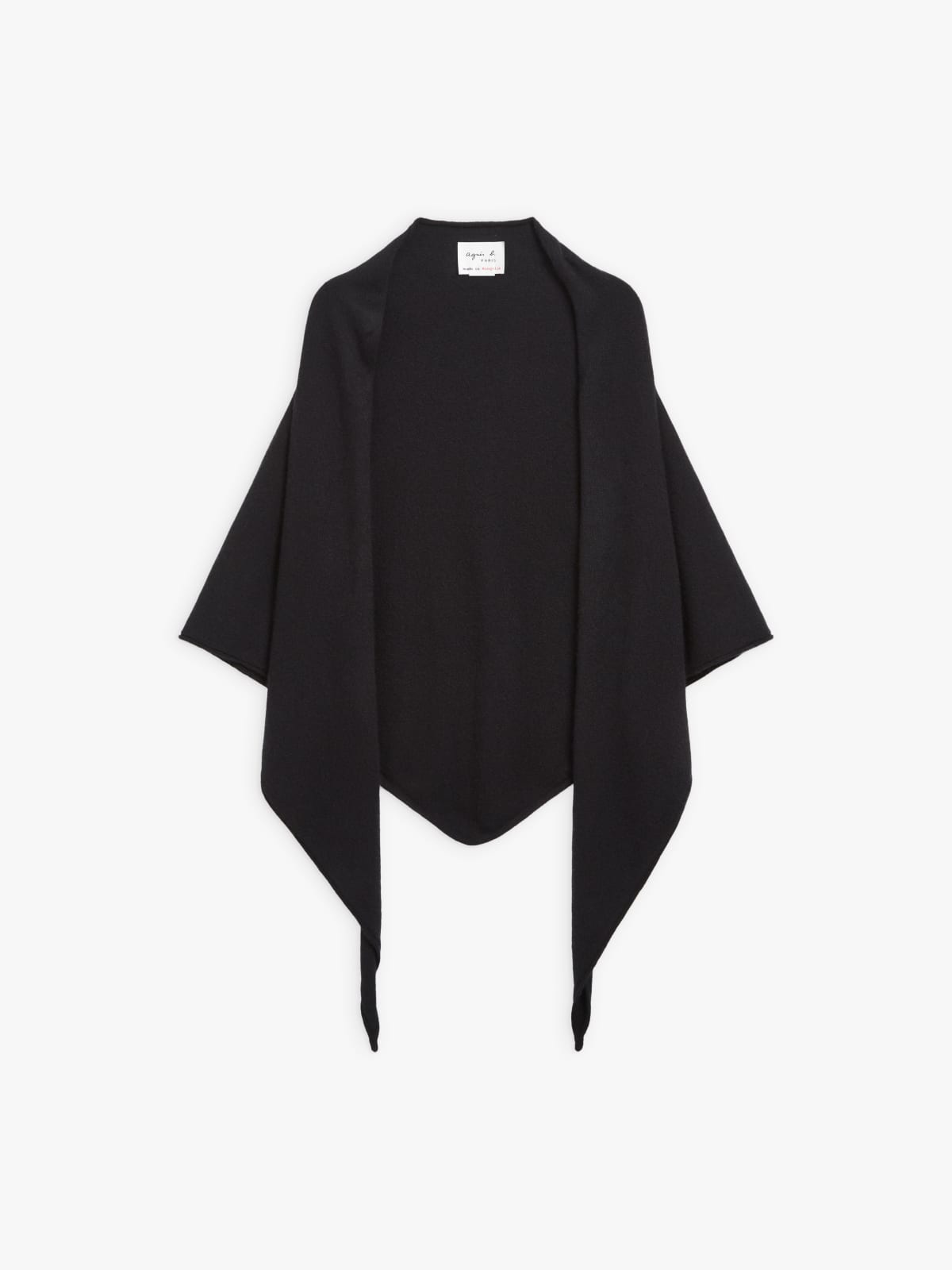
A rare and precious fibre, cashmere offers exceptional comfort and feel, while also being known for its thermoregulatory properties. Its intensive production can damage ecosystems in Mongolia and China.
Our cashmere comes from fibres harvested by combing, according to nomadic traditions, with partners committed to protecting pastures and animal welfare. We favour small-scale production to limit our impact and ensure the sustainability of this precious resource.
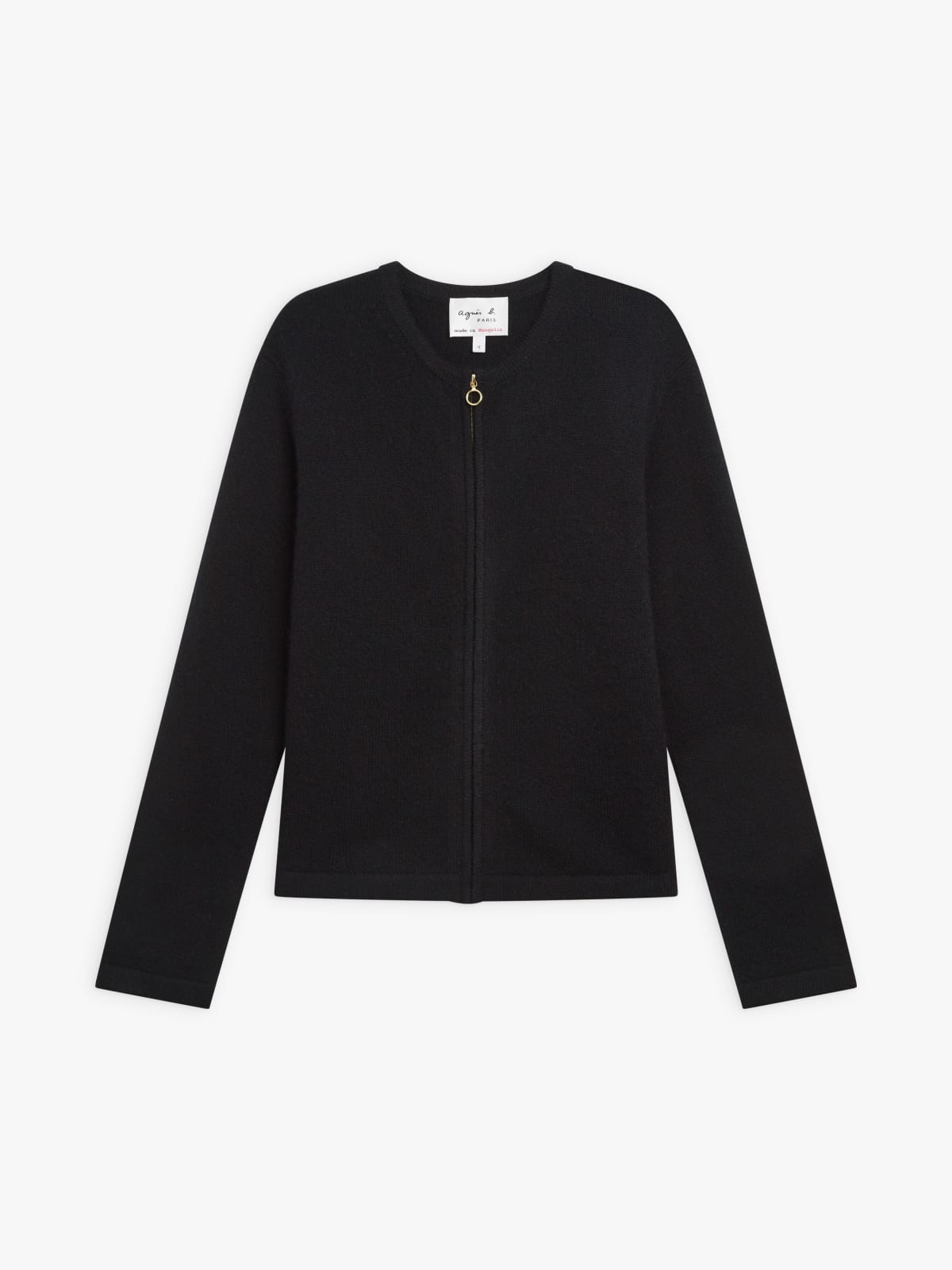
Our cardigans and jumpers are manufactured by workshops mainly certified according to Mongolia's national standard: ‘MNS 6926: 2021 - Sustainable Textile Production’. This standard covers, among other things, the rational use of natural resources, energy consumption, the use of chemicals, industrial waste, social responsibility, labour protection and animal rights.


polyester & synthetic materials
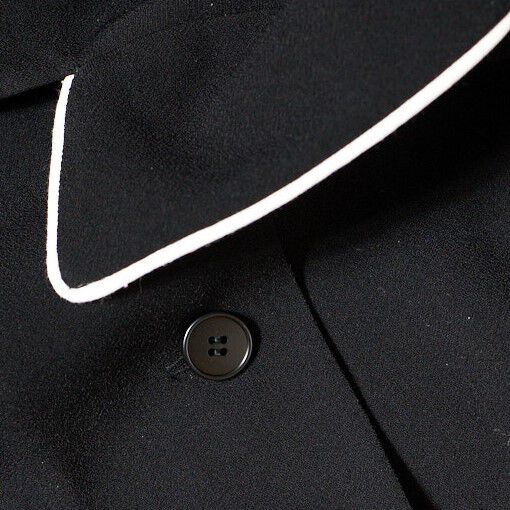
The most used synthetic fibre derived from petroleum, polyester is valued for its strength and ease of care, but its production is energy-intensive. It also releases microplastics during washing, contributing to ocean pollution.
Recognizing this challenge, agnès b. has always been committed to addressing the issue of microplastics, as evidenced by its creation of the Tara Ocean Foundation, a pioneer in this field. Polyester accounts for only a small portion of our collections.
In 2024, approximately 5% of our garments were made primarily from synthetic fibers (polyester, acrylic, polyamide). We select these recycled materials only when they meet our quality standards.
transparency : traceability and environmental cost
To ensure transparency and better understand the impact of our products, our teams work with the supply chain to collect the necessary information and follow the traceability of our creations, in accordance with the French AGEC Law.
To go even further, we collect data to measure their environmental impact from start to finish, which allows us to display the environmental cost on a voluntary basis, for complete transparency with our customers. This cost is calculated according to the French methodology using the Ecobalyse platform and expressed in points: the higher the score, the more impactful the product.
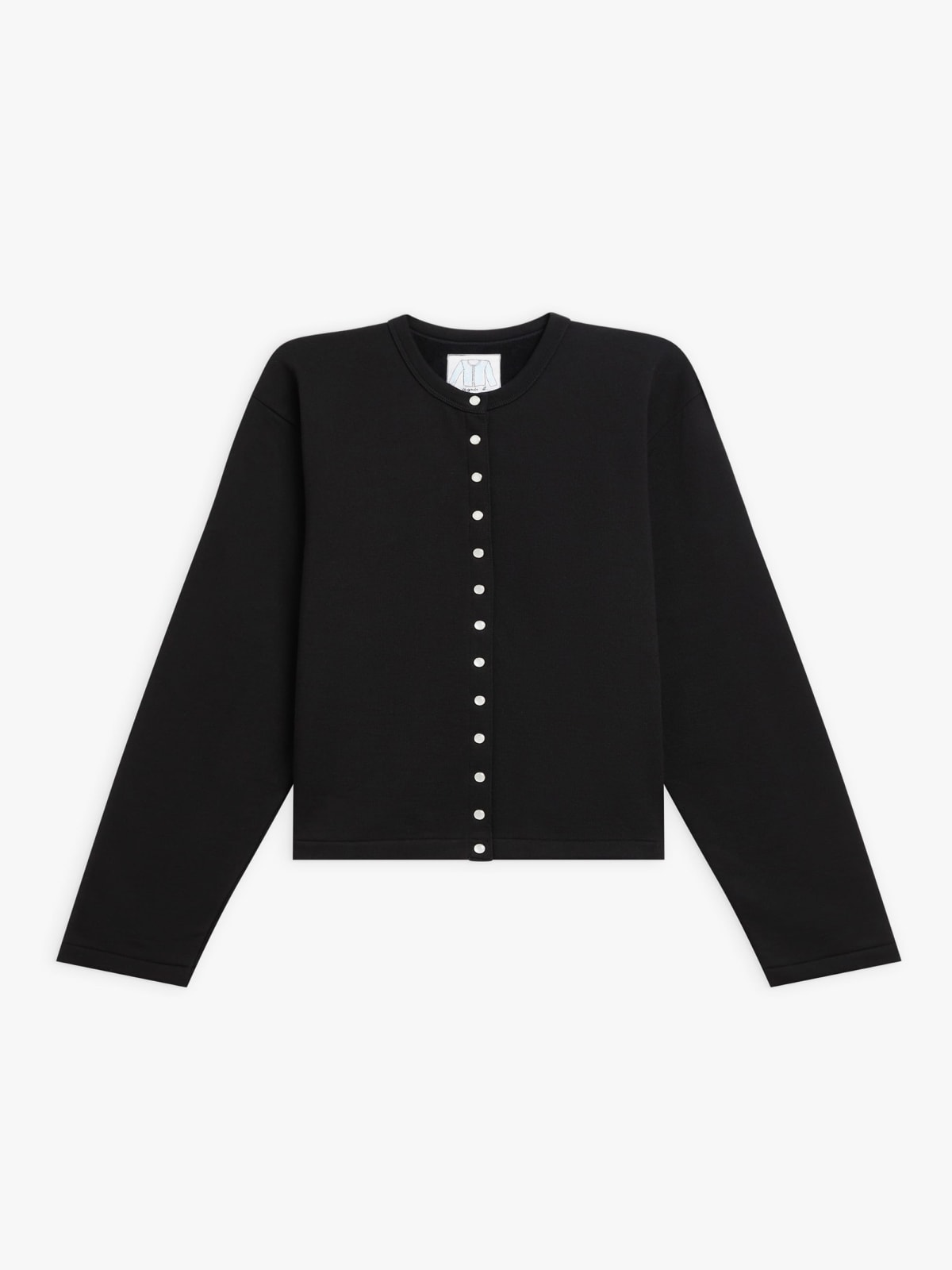
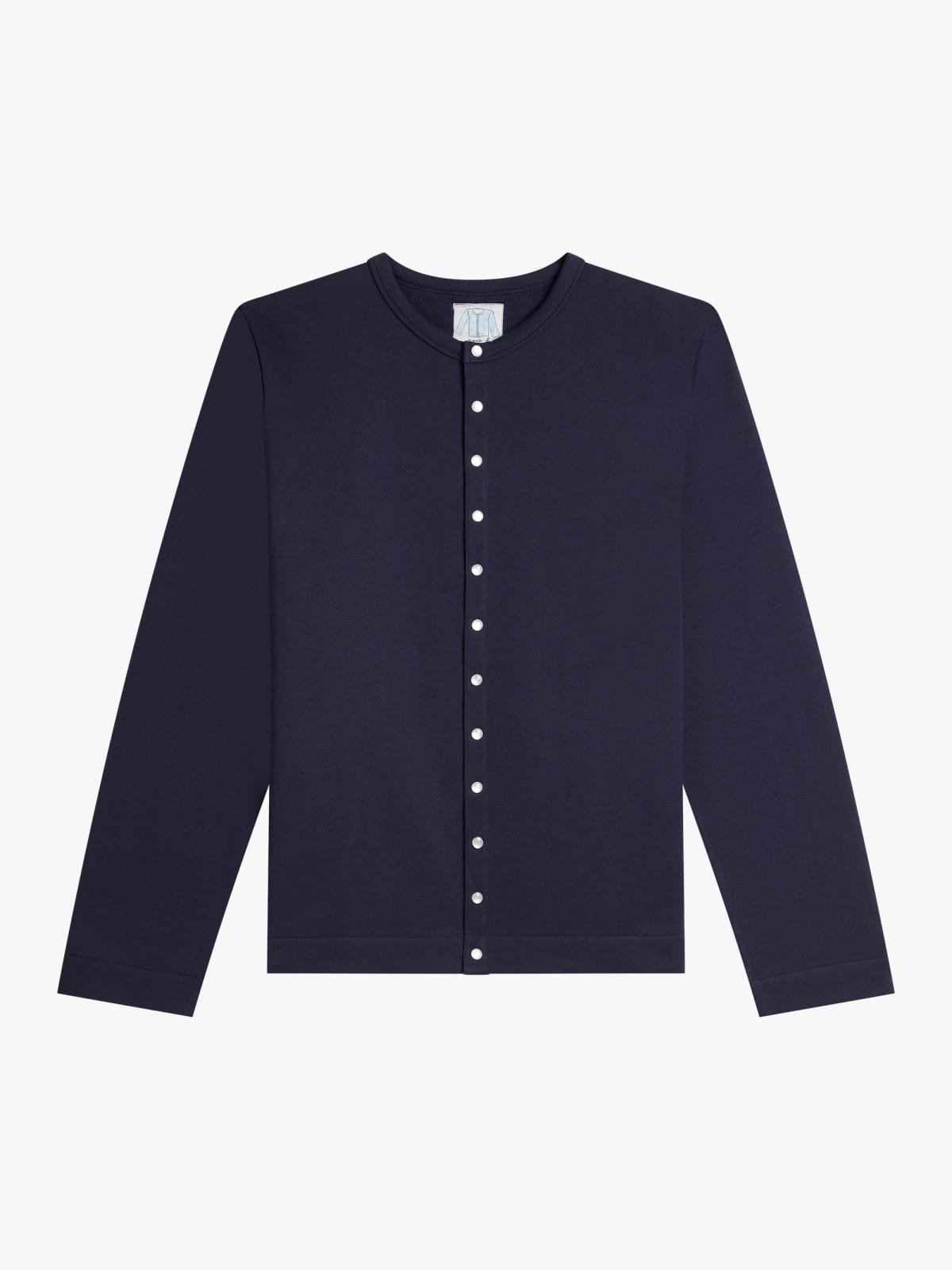
The Classic Cardigan is one of our finest examples: Its GOTS-certified* organic cotton version has a point value of approximately 800 : 40% less impact than conventional cotton (1400 points) and is about four times less impactful than a fast-fashion sweater (3500 points) !
An excellent way for agnès b. to highlight its commitments.
 free delivery
 secure payment
 free returns
 customer service